Books Published by Tumblar House
If you'd like to browse the other Catholic books from other fine Catholic publishers, check out our bookstore page.
Showing books 1 - 37 of 37
-
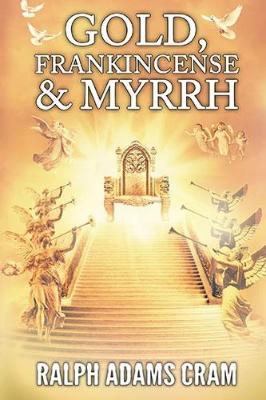
Gold, Frankincense, & Myrrh
Original price $12.95 - Original price $12.95Original price $12.95$12.95$12.95 - $12.95Current price $12.95The title “Gold, Frankincense and Myrrh” means simply this: Gold is the pure, imperishable quality of the monastic ideal, Frankincense the supreme act of worship through the Blessed Sacrament, Myrrh the saving quality of a right philosophy of life that yet must be bitter to the taste of many people. Together they are the three gifts that must again be offered by a world once more led, though now by the red and malefic star of war, to worship and fall down before the Incarnate God so long and ...
View full details -
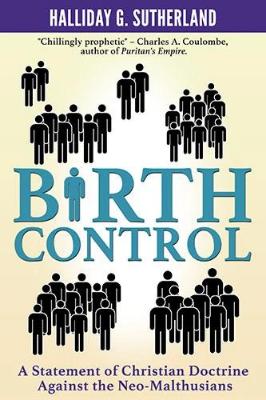
Birth Control
Original price $14.95 - Original price $14.95Original price $14.95$14.95$14.95 - $14.95Current price $14.95A Statement of Christian Doctrine Against the Neo-Malthusians. Artificial Birth Control is considered by most people today to be one of the most wonderful things ever invented by Man – on a par with fire or the wheel. Its benefits to society and the individuals therein are constantly ballyhooed by government, media, and the education industry, and its loving acceptance considered to be one of the main signs of a civilised people. But – what if that is all a lie? What if the truth is that its ...
View full details -
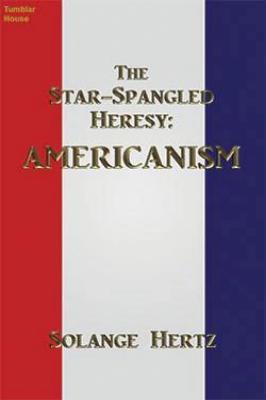
The Star-Spangled Heresy: Americanism
Original price $18.95 - Original price $18.95Original price $18.95$18.95$18.95 - $18.95Current price $18.95Americanism is a heresy which five different popes have condemned. But what is it? Perhaps the best characterization of Americanism was given by Leo XIII's biographer Msgr. T'Serclaes: "A spirit of independence which passed too easily from the political to the religious sphere." "That the Church and State ought to be separated is an absolutely false and pernicious error ... It limits the action of the State exclusively to the pursuit of public prosperity during this life, though this is only ...
View full details -
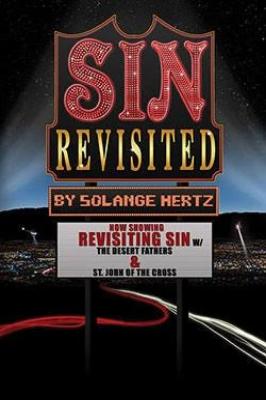
Sin Revisited
Original price $18.95 - Original price $18.95Original price $18.95$18.95$18.95 - $18.95Current price $18.95In Sin Revisited, Solange Hertz tackles the topic of sin with a unique perspective for modern times, delving into the intellectual approaches of the Desert Fathers as well as St. John of the Cross. In Hertz’s own words: “Don’t expect to find the seven deadly sources so familiar in song and story. You’ll find eight, and even these won’t be in the same sequence most of us are used to. This approach is newer than Vatican II, because it’s so much older, if you know what I mean, very much older ce...
View full details -
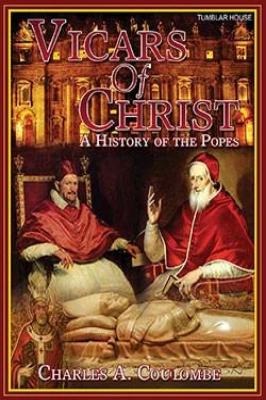
Vicars of Christ: A History of the Popes
Original price $29.95Original price $29.95 - Original price $29.95Original price $29.95Current price $24.95$24.95 - $24.95Current price $24.95Most books about the Popes have either tried to whitewash every sin any Pope has committed, or else have made them all out to be all out to be anti-Christs. On this emotional topic, writers seem to have left very little middle ground. But the truth is that there have obviously been good and obviously evil Popes, controversial Popes and forgotten Popes. In this book, they will all have their day in court. One by one, each Pope will be profiled, and their rich history, with all its pageantry, i...
View full details -
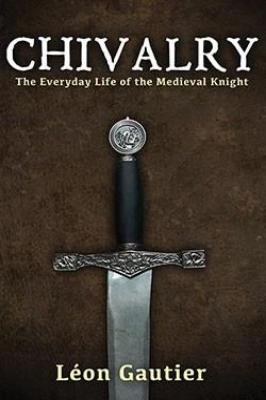
Chivalry
Original price $29.95 - Original price $29.95Original price $29.95$29.95$29.95 - $29.95Current price $29.95The Everyday Life of the Medieval Knight CHIVALRY has fascinated Western civilization for over a millennium, from way back when Knighthood was in flower, all the way to present day. Today, this fascination is as prevalent as it ever was, manifesting itself in works such as J.R.R. Tolkien’s The Lord of the Rings. But what IS Chivalry? Is it proper manners (the lack of which, especially toward ladies, is sometimes spoken of as “Chivalry being dead”)? Is it kindness? Steadfastness? It is all of ...
View full details -
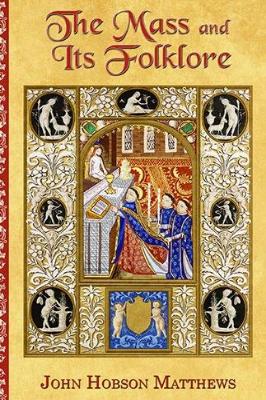
The Mass and Its Folklore
Original price $13.95 - Original price $13.95Original price $13.95$13.95$13.95 - $13.95Current price $13.95There are many good and popular English books on the Mass. Some of them treat the subject after the manner of a Rationale, explaining the significance of the prayers and ceremonies of the Eucharistic rite; others are historical and antiquarian, and elucidate the origin and evolution of the ceremonial—while of devotional books there is no end. This book, however, is a treatise on the folklore and minor antiquities of the Mass; by which are meant the various aspects and the numerous details of ...
View full details -

Under the Watchful Sky
Original price $17.95 - Original price $17.95Original price $17.95$17.95$17.95 - $17.95Current price $17.95Assistant Medical Director Derek Stevens is called in to verify what seems to be a simple case of suicide, but on closer examination he realizes that the death was a very cleverly disguised murder. This discovery leads him into a concealed world where he finds love and acceptance side-by-side with dark secrets and veiled dangers. Meanwhile, his friend and colleague Janice Boyd is being lured into a mysterious organization with a hidden and lethal agenda of its own. As the two learn more about...
View full details -
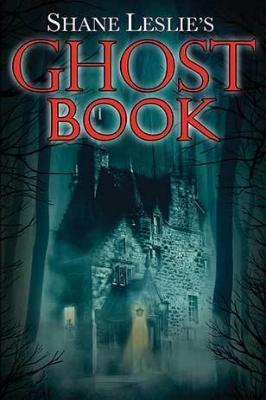
Shane Leslie's Ghost Book
Original price $17.95 - Original price $17.95Original price $17.95$17.95$17.95 - $17.95Current price $17.95The object of Shane Leslie's Ghost Book is to collect instances of ghosts, apparitions, and messages from the other twilight world which have come under Catholic cognizance or suggest Catholic interpretations. This small collection is intended to illustrate occasions between the Catholic Church and the ghostly. They are not necessarily spiritual and even less spiritualistic. Religion colours most of these stories, but some merely have occurred to Catholics or in Catholic surroundings. Whateve...
View full details -

Star-Spangled Crown
Original price $17.95 - Original price $17.95Original price $17.95$17.95$17.95 - $17.95Current price $17.95For 240 years, most Americans have identified our country with its government as the embodiment of “Freedom” and the nation itself. Take away the Constitution, Congress, and presidential elections, and not only liberty but the United States themselves would vanish. Or would they? We have a government that imposes social change from above at breakneck speed, while each presidential election seems to offer even more pathetic choices than the one before. Many are scratching their heads and wonde...
View full details -
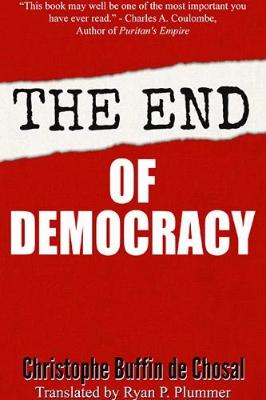
The End of Democracy
Original price $17.95 - Original price $17.95Original price $17.95$17.95$17.95 - $17.95Current price $17.95Most people would agree that democracy throughout the world is in deep trouble. From the polarizing politics of the United States to the endless refugee crisis in Europe to the rise in radical Islam, there is a widespread feeling that our way of life—political, cultural, and social—is under siege. But what if democracy itself is to blame? What if the current threats are not distortions of but inherent to democracy? What if the solution to our present ills is not “fixing” the system, but junki...
View full details -
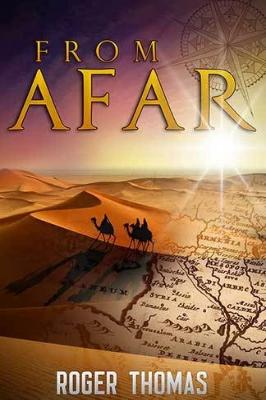
From Afar: The Journey of the Three Magi
Original price $14.95 - Original price $14.95Original price $14.95$14.95$14.95 - $14.95Current price $14.95The Magi, or Three Kings, of the Nativity story are among the best loved yet most mysterious figures in all history. The fleeting and sparse account in St. Matthew's Gospel raises as many questions as it answers. It has been so embroidered over the centuries that the original historical context has been almost completely buried. Yet the world of the early first century was as dynamic and intriguing as any legend - and much more perilous. In his compelling novelization of the journey of the Ma...
View full details -
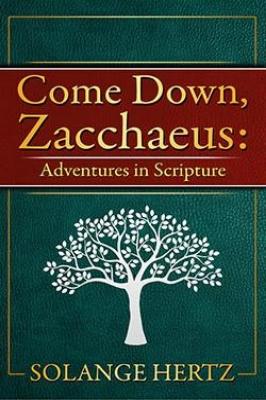
Come Down, Zacchaeus
Original price $17.95 - Original price $17.95Original price $17.95$17.95$17.95 - $17.95Current price $17.95Solange Hertz has established herself as an astute contemporary student of lay spirituality and as a writer whose freshness and frankly human approach have merited high praise from readers in all walks of like. In Come Down, Zacchaeus, she turns her skill to the interpretation of Scripture in an attempt to demonstrate that it is not just instructive; it is vitally related to our everyday lives. Read the First Chapter Now
-
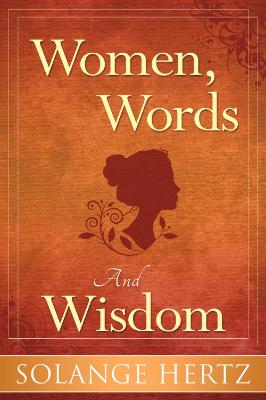
Women, Words & Wisdom
Original price $17.95 - Original price $17.95Original price $17.95$17.95$17.95 - $17.95Current price $17.95Women, Words, and Wisdom is a collection of light but penetrating essays dealing with the vocation of motherhood. It can be read with profit by any wife who feels that she is “just a mom,” any man who “can’t understand women,” and especially by any young woman contemplating marriage. Mrs. Hertz takes her vocation seriously, but not grimly. With her keen insight in the problems and emotions that go with homemaking and her sympathetic sense of humor, she has succeeded in drawing from even the m...
View full details -
Of Mary There is Never Enough
Original price $9.95 - Original price $9.95Original price $9.95$9.95$9.95 - $9.95Current price $9.95A tribute to the Blessed Virgin Mother that is unequaled in our times. Drawing on the ancient Fathers and Doctors of the Church and on the hidden Scriptures which tell of the love of God for this singular beauty of His creation, Mr. Biersach has woven a tapestry of his own making, baring a heart not altogether unlike those of the best saints who have written of Her. Some will savor in his writings a whiff of Belloc, others a turn of phrase reminiscent of Chesterton. Bringing with him the te...
View full details -
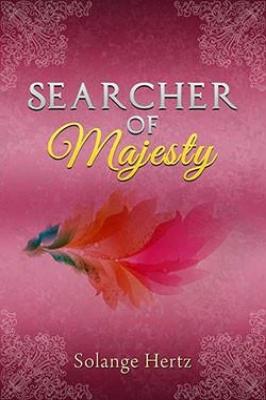
Searcher of Majesty
Original price $18.95 - Original price $18.95Original price $18.95$18.95$18.95 - $18.95Current price $18.95Searching majesty is what led Hertz initially from atheism to the Catholic faith. Losing her husband at an early age, she was left to raise five children on her own. This book is written by a housewife, for housewives. The purpose of the book is three-fold: 1.) Hertz points out social issues that hinder women from advancing spiritually and becoming better mothers. 2.) She elaborates on the true nature of women, highlighting the difference between masculine spirituality and feminine spiritua...
View full details -
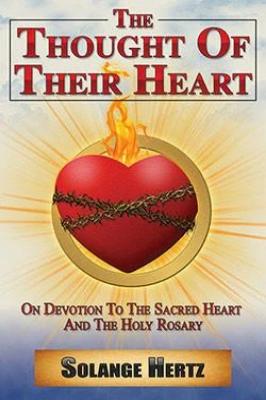
The Thought of their Heart
Original price $17.95 - Original price $17.95Original price $17.95$17.95$17.95 - $17.95Current price $17.95Both the Sacred Heart devotion and the Rosary come from the divine hand of friendship personally extended to us against the dehumanization of the computer age. In the words of St. Padre Pio, "The Rosary is THE weapon given us by Mary."In 1893, Pope Leo XIII issued the encyclical Laetitia sanctae, which proposed a schema for curing the three principal ills of modern society in terms of the Rosary, teaching that: 1. the distaste for simple labor which characterizes the industrial age must yield...
View full details -

Insomuch as to Deceive
Original price $24.95 - Original price $24.95Original price $24.95$24.95$24.95 - $24.95Current price $24.95The fifth book in the Father Baptist seriesFr. John Baptist, loyal gardener Martin Feeney, the formally attired Knights Tumblar, and their friends are back in their wildest adventure yet, Insomuch As To Deceive, the first of a five-part thriller. In this latest outing, acclaimed author William L. Biersach tops himself again - a centuries old murder mystery and a reenactment thereof, a spooky mountain lodge, a séance promised to be a sham which turns out to be authentic, an eerie dance of dise...
View full details -
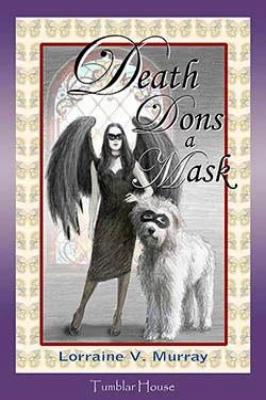
Death Dons a Mask
Original price $13.95 - Original price $13.95Original price $13.95$13.95$13.95 - $13.95Current price $13.95Book 3 of the Francesca Bibbo Series A masquerade ball! That sounds like the perfect solution for the summer blahs at St. Rita's parish, where the sidewalks are sizzling and the money coffers are dwindling. Who could have predicted that utter chaos would be unleashed? At the event, a handsome seminarian attracts the eye of a voluptuous woman disguised as the angel of death, the unstoppable Francesca Bibbo meets a mysterious wizard - and someone pilfers the cash box. When a body is later disco...
View full details -

Apostasy in America
Original price $17.95 - Original price $17.95Original price $17.95$17.95$17.95 - $17.95Current price $17.95This book is about apostasy, that gradual but radical dissociation of man from God whose history is as old as creation, having begun among the angels in heaven even before it began on earth in Eden. It would be impossible to tell it all, but what follows is an attempt to show some aspects of it from the perspective of America, where apostasy became politicized by historical circumstance ... We even have the word of the Founders in our first treaty with Tripoli to the effect that, "the Governm...
View full details -

Utopia Nowhere
Original price $18.95 - Original price $18.95Original price $18.95$18.95$18.95 - $18.95Current price $18.95History is the record of an apocalyptic struggle between those two primordial kingdoms - that of God and that of the devil. St. Augustine saw these irreconcilable factions as the City of God and the City of Man. Both are world governments in the largest possible sense, and they are locked in mortal combat till the end of time, for nothing less than the souls of men. When "separation of Church and state" was established as a political principle in modern times, the two Cities began parting com...
View full details -
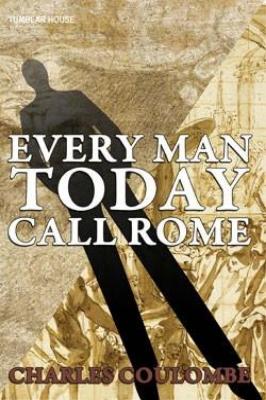
Everyman Today Call Rome
Original price $15.95 - Original price $15.95Original price $15.95$15.95$15.95 - $15.95Current price $15.95This is the book that put Charles Coulombe on the map, as a force to be reckoned with! It is comprised of three sections. The first and largest section outlines the history of world events which have shaped our world and have ultimately led to the current crisis in the Church. The second part discusses changes in the approach to the Mass, the Sacraments, and Christian life as a whole. Mr. Coulombe closes the book by explaining how a person can safeguard the integrity of his faith amidst all t...
View full details -

On the Contrary
Original price $18.95 - Original price $18.95Original price $18.95$18.95$18.95 - $18.95Current price $18.95What is a traditional Catholic? Solange Hertz explains: "Given the present state of society, at the polls he rarely finds a candidate to vote for in good conscience, but plenty against, thereby earning himself a reputation for irremediable contrariness on most any issue before the public. In casual conversation his is nearly always the minority opinion, especially if it was once held by the vast majority of educated people in the civilized world and never seriously contested until relatively ...
View full details -

Interlander
Original price $19.95 - Original price $19.95Original price $19.95$19.95$19.95 - $19.95Current price $19.95When Sam Moorcroft clambers out of the observation trench and walks into the Ely Project enclosure he knows that his life has changed forever. If he is caught the penalty will be chemical curtailment or worse. Sam survives on his wits among the enclosure subjects. He works alongside them in their mills and farms, drinks with them in their pubs, celebrates with them in their festivals honouring their strange gods, and eventually falls in love with Smith, the tough young woman who takes him in ...
View full details -
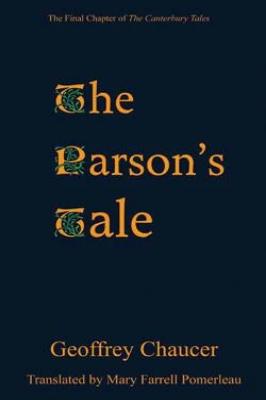
The Parson's Tale
Original price $11.95 - Original price $11.95Original price $11.95$11.95$11.95 - $11.95Current price $11.95The Parson's Tale is the final chapter of Geoffrey Chaucer's Canterbury Tales. Because of its profound Catholic content, this tale has been selectively excluded from most modern versions of Canterbury Tales. In it a humble parson, or priest, educates us on the topic of sin: its identification, repentance, and atonement. A primary emphasis is given to the seven deadly sins. Upon delving into this section, a person may subtly undergo an examination of conscience pertaining to each sin that is b...
View full details -
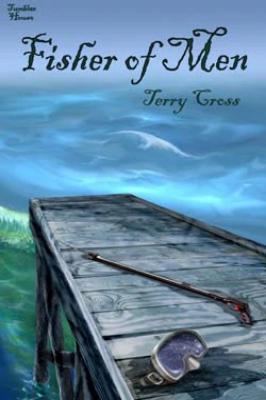
Fisher of Men
Original price $17.95 - Original price $17.95Original price $17.95$17.95$17.95 - $17.95Current price $17.95When people, and even great white sharks, suddenly become prey off Southern California, marine biologists Storm Hancock and Terry Ho battle through ruthless politicians, dangerous waters, and their personal quests for truth to track down a mysterious killer before it strikes again. All the while, Terry Cross's novel embraces love and beauty while blending in the foundation of the Catholic faith. Read the First Chapter Now Parents Guide Sexuality: None Violence & Gore: Moderate A l...
View full details -
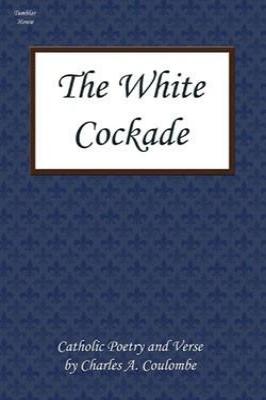
The White Cockade
Original price $9.95 - Original price $9.95Original price $9.95$9.95$9.95 - $9.95Current price $9.95There are many wonderful books in the world that address and teach how a good Catholic should think. However, it is important that a person not only think like a Catholic, but feel like a Catholic. Mr. Coulombe's poems convey the feelings that millennial Catholics regularly have: feelings of angst regarding the future, but also that of hope; feelings of righteousness and feelings of awe over the majesty and wonders of Catholic tradition. The White Cockade is filled with bite-sized poems that ...
View full details -
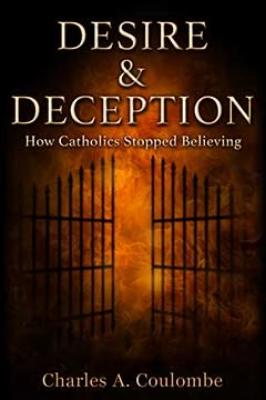
Desire & Deception
Original price $17.95 - Original price $17.95Original price $17.95$17.95$17.95 - $17.95Current price $17.95How Catholics Stopped Believing The Catholic Church is THE great fact of our entire civilization. Art, architecture, music, literature, theatre, law - even cuisine and sports - at their best, all bear her mark. However much she and her teachings may be despised by media and government, however many of her children may abandon her, this is a reality that cannot be shaken. For over two millennia, it has been so. Yet at the same time, the Church has perhaps never faced so great a combination of ...
View full details -

Death in the Choir
Original price $13.95 - Original price $13.95Original price $13.95$13.95$13.95 - $13.95Current price $13.95Book 1 of the Francesca Bibbo Series Francesca Bibbo is eager to jumpstart her social life, so she joins the choir at St. Rita's. There, she discovers that the director and the pastor are locking horns over a decrepit organ, while the sopranos are vying for solos. After a rehearsal party, things go very wrong, and when someone shows up dead, the police rule the death a suicide. But Francesca suspects foul play, so she begins prying into the dead man's past. Before long, she uncovers shocking ...
View full details -
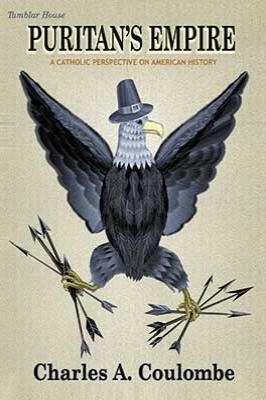
Puritan's Empire
Original price $29.95 - Original price $29.95Original price $29.95$29.95$29.95 - $29.95Current price $29.95A Catholic Perspective on American History History is the key to understanding men-whether as nations, families, or individuals. For Catholics, history has an even higher purpose beside. For them, history is the unfolding of God's Will in time, and the attempts of men either to conform themselves to or to resist that Will. But American Catholic historians have generally refrained from exploring their own national history with these principles, preferring instead to adopt the analysis of their...
View full details -
St. Joe's Remarkable Journey
Original price $9.95 - Original price $9.95Original price $9.95$9.95$9.95 - $9.95Current price $9.95Given the choice between the secular fundamentalism of public schools and the watered-down bashful Catholicism of today's parochial schools, it's no surprise that more families are turning to alternative means for educating their children in the Faith. However, neither the government nor Catholic archdioceses are willing to cede their control over education, and thus have implemented their own measures to prevent families from taking the matter into their own hands. St. Joe's is a real-life s...
View full details -
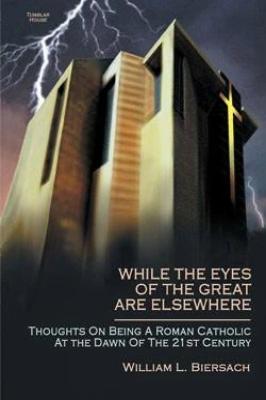
While the Eyes of the Great Are Elsewhere
Original price $19.95 - Original price $19.95Original price $19.95$19.95$19.95 - $19.95Current price $19.95In the words of Mr Biersach: "This little tome - or collection thereof-is intended as a word of encouragement for those Catholics who, against all odds, are attempting to hold on to their Faith for dear life, or perhaps trying to rediscover it in the midst of the rumbling chaos... " And in the words of his good friend, Charles Coulombe: "Our fate . . . begins with our reply to that question asked of His disciples by Jesus Christ and continually referred to by Mr. Biersach in this book: "Who ...
View full details -
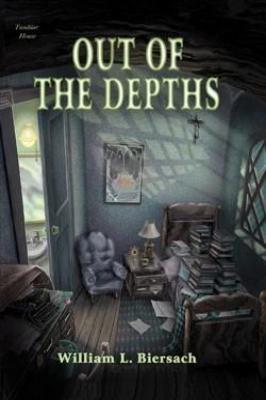
Out of the Depths
Original price $29.95 - Original price $29.95Original price $29.95$29.95$29.95 - $29.95Current price $29.95The fourth book in the Father Baptist seriesIt's happening again! Los Angeles, the City of Angels, is once more besieged by the bizarre and the strange! A fresh but unidentified corpse, dressed as a priest, turns up in a niche in a mausoleum, while a trusted assistant of the Cardinal is kidnapped, and two precious objects disappear with him. The police are baffled, and obviously, only one man can bring order to chaos and solve the affair: Fr. John Baptist. Together with his trusty gardener, M...
View full details -
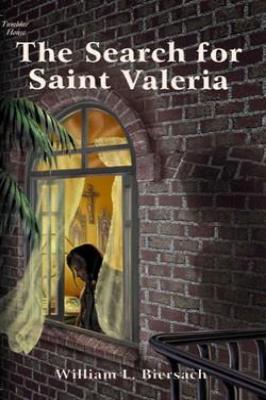
The Search for Saint Valeria
Original price $13.95 - Original price $13.95Original price $13.95$13.95$13.95 - $13.95Current price $13.95The third book in the Father Baptist seriesLife is never dull in William Biersach's mythical city of Los Angeles. In The Search for Saint Valeria, the third entry in the series, cop-turned-priest Fr. John Baptist and his faithful sidekick, gardener and chronicler, Martin Feeney, are once again on the trail of the unusual and strange. Why is someone stealing discarded religious objects - relics, altars, chalices - from the city's antique shops? And why on earth would modern-day grave robbers w...
View full details -
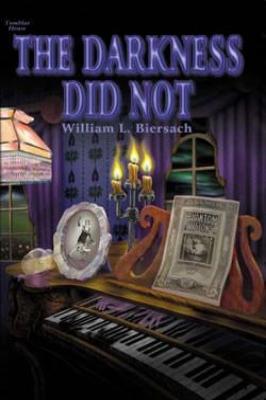
The Darkness Did Not
Original price $21.95 - Original price $21.95Original price $21.95$21.95$21.95 - $21.95Current price $21.95The second book in the Father Baptist seriesA rolling blanket of thick, purple storm clouds -- which some call The Vampire's Shroud -- overshadows the mythical city of Los Angeles, California, yet not one drop of rain is anywhere to be seen. In the County Morgue lay the bodies of murdered young women, garlic and Crucifixes resting upon each bloodless form. Something is loose in the City of Angels, and the police are not only stumped .... but afraid. With such ominous events transpiring and ea...
View full details -
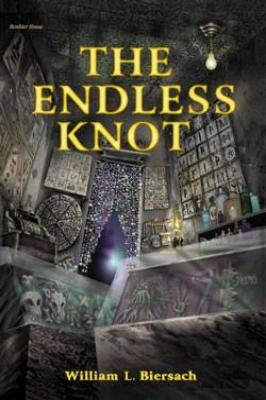
The Endless Knot
Original price $24.95Original price $24.95 - Original price $24.95Original price $24.95Current price $19.95$19.95 - $19.95Current price $19.95The first book in the Father Baptist series.Who is killing the Catholic bishops of Los Angeles? One by one, they're dying horribly. The clues surrounding the murders point to an occult connection and the police are stumped. Fr. John Baptist, cop-turned-priest, and Martin Feeney, his faithful gardener-turned-chronicler, are ordered by the anxious archbishop to get to the root of this baffling mystery. Together they uncover a terrifying conspiracy that threatens their faith, their sanity, and t...
View full details -

Catholic Literature: An Introduction
Original price $14.95 - Original price $14.95Original price $14.95$14.95$14.95 - $14.95Current price $14.95Why should we study literature? To learn truth, answers Margaret Summitt, and "in so far as a story, poem, or play is true, it is literature - and the deeper the truth it gets at, the more Catholic it is. In other words, the more deeply the author pursues truth, the more likely he is to find his way to the mysteries and dogmas of the Church." Summitt explores authors like Chesterton, T.S. Eliot, Evelyn Waugh, Flannery O'Connor, J.R.R. Tolkien, and other great writers. This book will satisfy y...
View full details